


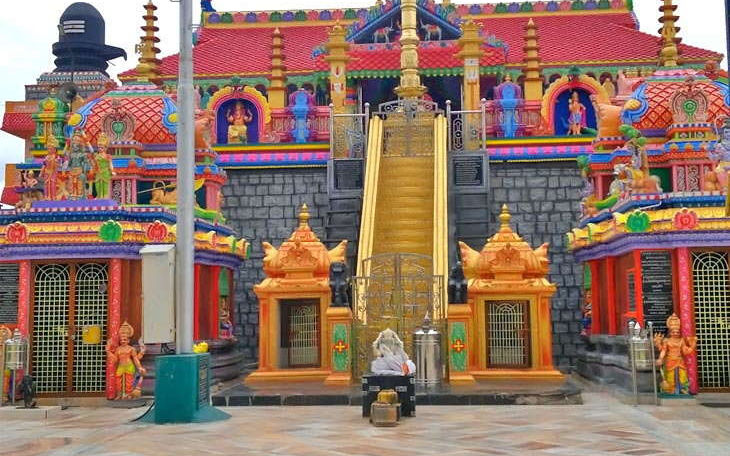
Sabarimala Temple
Sabarimala Temple – The Sacred Hill Shrine of Lord Ayyappa

Hidden deep within the dense forests of the Western Ghats, the Sabarimala Temple stands as one of the most revered pilgrimage centers in India. Dedicated to Lord Ayyappa, the deity of celibacy, discipline, and devotion, this hill shrine in Pathanamthitta district, Kerala, attracts millions of devotees from across the world every year.
Perched atop the Sabari Hills at an altitude of 1260 meters, Sabarimala is not just a temple — it’s a spiritual journey of faith, endurance, and purity.
The Legend and Divinity of Sabarimala
According to Hindu mythology, Lord Ayyappa, the son of Lord Shiva and Mohini (an avatar of Lord Vishnu), meditated at Sabarimala after defeating the demoness Mahishi. The temple was built at this sacred spot where he attained divinity, symbolizing the victory of righteousness and devotion.
The presiding deity, Lord Ayyappa, is also known as Manikanta, and devotees lovingly call him “Swamiye Saranam Ayyappa!” — a chant that echoes through the hills during the pilgrimage season.
A Pilgrimage Like No Other
What makes Sabarimala truly unique is the austerity and spiritual preparation required before visiting the temple. Devotees undertake a 41-day vratham (penance) — observing celibacy, wearing black or blue attire, and living a simple, pure life.
The trek to the shrine begins from Pampa River, followed by a challenging 5 km uphill climb through forest paths. This sacred journey, known as the “Pathinettam Padi” (18 holy steps), symbolizes leaving behind worldly attachments and ascending towards spiritual enlightenment.
Key Highlights & Rituals
18 Sacred Steps (Pathinettam Padi): The highlight of the temple, representing 18 divine elements that devotees must transcend to attain moksha (liberation).
Makaravilakku Festival: Celebrated in January, this annual event marks the appearance of a celestial light on the hills — witnessed by millions in deep devotion.
Holy Bath at Pampa River: Pilgrims take a dip in the sacred river before beginning their climb to purify mind and body.
Trek Through the Forest: The trek through Sannidhanam and the lush Periyar Tiger Reserve is both physically challenging and spiritually fulfilling.
Offerings & Irumudi Kettu: Devotees carry a sacred bundle containing offerings like coconut, ghee, rice, and camphor on their heads — symbolizing their surrender to the divine.
A Symbol of Equality and Devotion
Sabarimala stands as a powerful symbol of secularism and unity — welcoming devotees of all faiths, castes, and nationalities who approach the Lord with pure devotion. The mantra “Tat Tvam Asi” (You are That) inscribed at the temple entrance reminds pilgrims of the divine presence within every being.
The temple’s unique practice of restricting entry for women aged 10–50 (of menstruating age) stems from the celibate nature of Lord Ayyappa, though it continues to be a subject of social and legal discourse.
Best Time to Visit
The Sabarimala pilgrimage season runs mainly during two periods:
Mandala Kalam: Mid-November to mid-January
Makaravilakku Festival: Around January 14 (Makara Sankranti)
The temple also opens for a few days each month on the first five days of the Malayalam months for regular worship.
Temple Timings: 4:00 AM – 11:00 PM (during open season)
How to Reach
Location: Pathanamthitta District, Kerala
Nearest Airport: Cochin International Airport (160 km) or Trivandrum International Airport (170 km)
Nearest Railway Station: Chengannur (93 km) or Kottayam (110 km)
By Road: Well-connected from Kochi, Kottayam, and Thiruvananthapuram to Pampa, the base camp for the Sabarimala trek.
Why Visit Sabarimala Temple?
Experience one of the largest annual pilgrimages in the world
Discover Kerala’s deep-rooted spiritual traditions
Embark on a sacred journey of devotion, discipline, and peace
Perfect for pilgrims, cultural travelers, and spiritual seekers